HMD's $12 phone has FM radio, no camera — and no future on Western networks

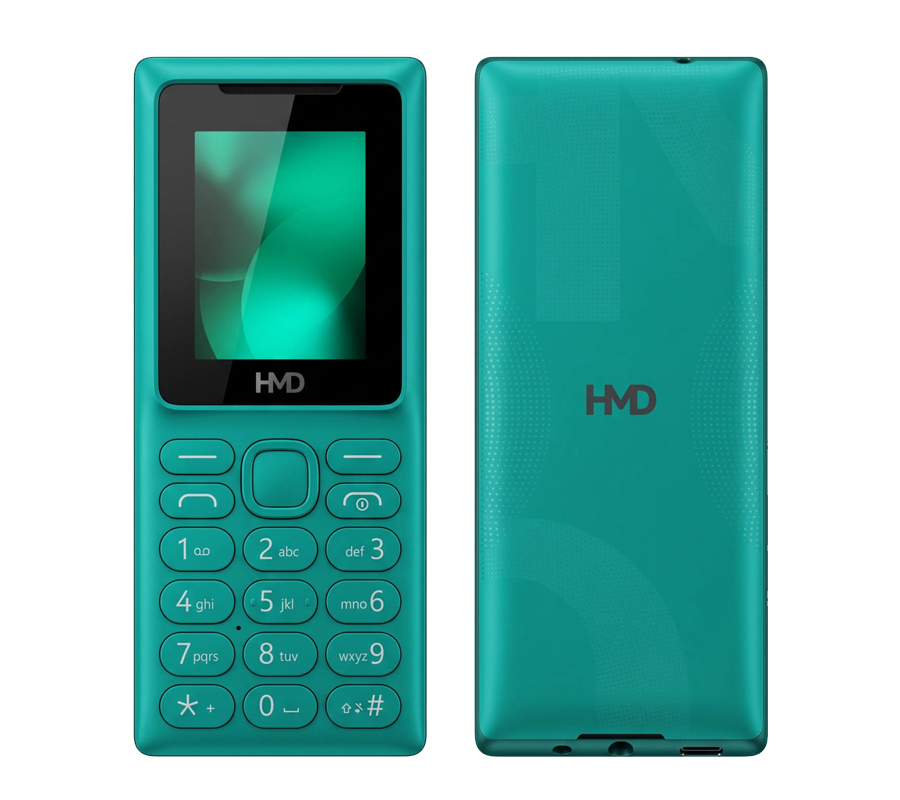
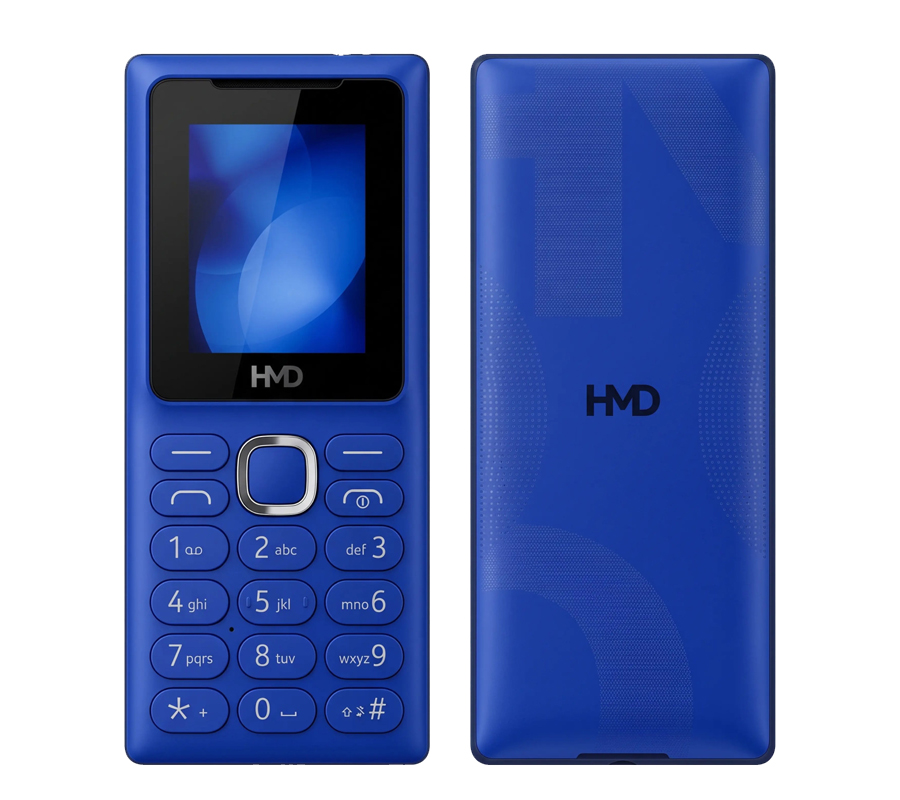
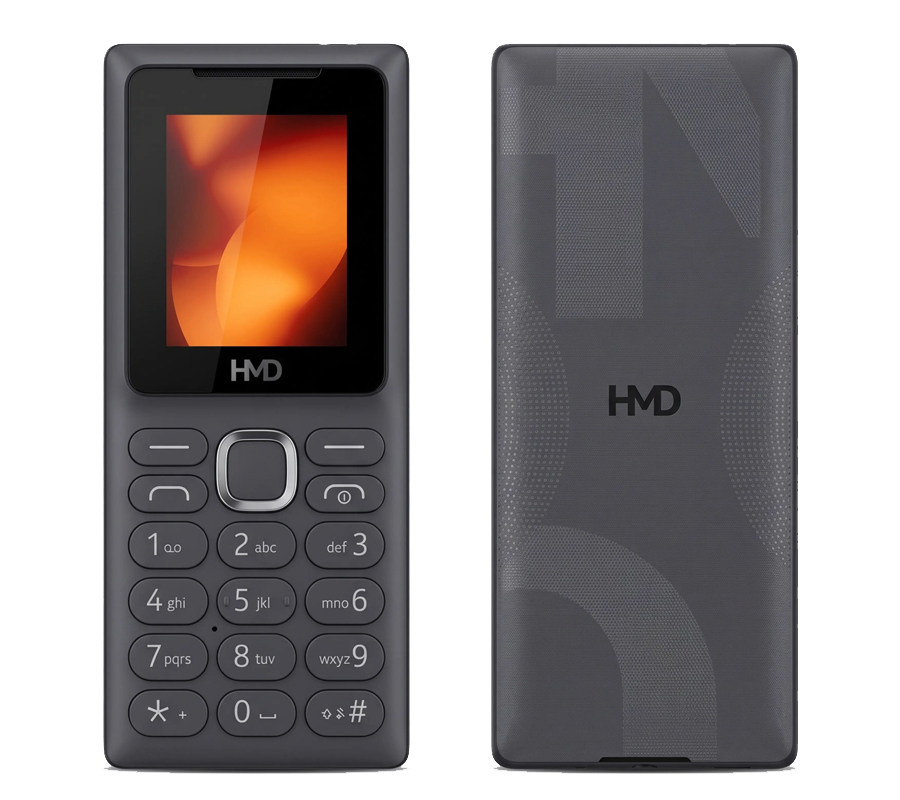
HMD Global has released the 106 Pure in Pakistan, a feature phone priced at PKR 3,250 — roughly $12 or £9 — making it one of the cheapest handsets the company has ever put its name on. The device runs on 2G GSM networks only, which is fine for Pakistan, but renders it effectively useless across most of Europe and the US, where legacy networks have already gone dark.
The basics
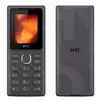
The 106 Pure is built around the Unisoc 6531E chipset — the same silicon that powered the Nokia 106 back in 2023 — and runs S30+, HMD's feature phone OS. The 1.8-inch display tops out at 120×160 pixels. The 1,000 mAh battery is removable. There is no camera at all.
What it does keep: a 3.5mm headphone jack, FM radio, and a microSD slot supporting cards up to 32GB. That last detail is a tell — the phone doubles as a basic media player, which matters in markets where streaming data costs money.

The 2G problem
T-Mobile completed its 2G shutdown in January 2025, leaving no major US carrier supporting the standard. In the UK, the network sunset is mandated by 2033, with most practical 2G coverage already thin. GSMArena confirmed the device's specs and noted the network limitation plainly. The GSA's 2G/3G switch-off report counts 278 completed or planned shutdowns across 83 countries by mid-2025, with Europe accounting for 46% of cases.
HMD only started making phones under its own name in March 2024, stepping away from the Nokia-exclusive model it had used since 2016. The 106 Pure sits at the opposite end of HMD's current lineup from the HMD Salo 5G, a business-focused Android handset — a deliberate split between ultra-budget emerging market hardware and premium connectivity plays.
Who it's actually for
HMD holds around 27% of the global feature phone market in the sub-$20 segment, a space where simple voice calls and long battery life still matter more than apps. Pakistan, sub-Saharan Africa, and parts of South Asia fit that profile. The 106 Pure is a sensible product there.
The tension is strategic. The 4G feature phone segment is growing at roughly 9% annually, with Transsion and Intex already fielding sub-$20 4G models. HMD's school phone experiment and the Asha 305 show the company is thinking about niche hardware seriously — but a 2G-only device in 2025 is a short shelf-life bet, even in the markets it targets.


